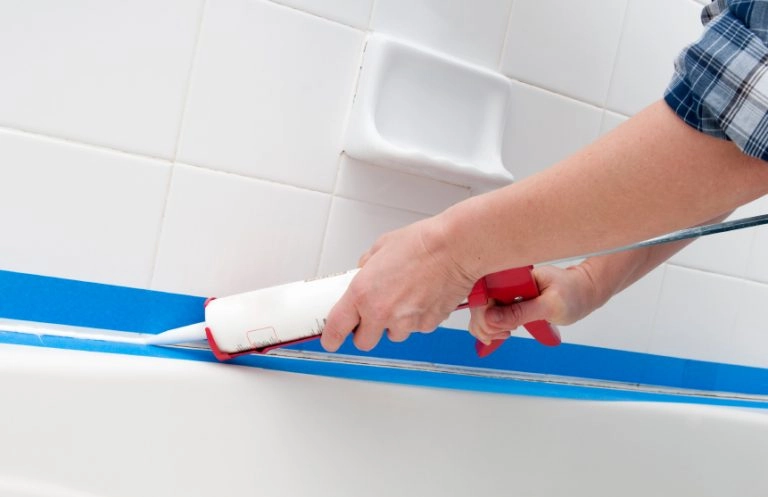
Bathroom sealant may only make up a small part of a bathroom, but it performs an extremely important job. Silicone around baths, showers, shower trays, basins and bathroom panels helps prevent water from getting behind surfaces, protects joints from moisture and gives the bathroom a clean, finished appearance.
Over time, however, even good-quality bathroom silicone can deteriorate. It can become mouldy, cracked, discoloured, loose or begin peeling away from the surface. When this happens, simply cleaning the silicone is not always enough. In many cases, the most effective solution is professional bathroom resealing or bathroom silicone replacement.
For homeowners across Manchester, Oldham and Greater Manchester, understanding when bathroom sealant needs replacing can help prevent leaks, damp problems and unnecessary damage.
What Is Bathroom Sealing?
Bathroom sealing involves applying waterproof silicone or sanitary sealant to joints and edges where water could otherwise penetrate.
Common areas requiring bathroom sealant services include:
- Around baths
- Around shower trays
- Shower enclosures
- Shower screens
- Basins and sinks
- Vanity units
- Bathroom worktops
- Wall panels
- PVC bathroom panels
- Tile edges
- Wet rooms
- Internal corners and movement joints
Bathroom silicone is designed to remain flexible while creating a waterproof barrier between surfaces.
Professional bathroom sealing is especially important around areas regularly exposed to water.
A poor seal around a bath or shower can allow water to travel behind tiles, wall panels, floors or bathroom furniture without immediately being noticed.
When Does Bathroom Silicone Need Replacing?
One of the most common questions homeowners ask is how to know whether they need bathroom silicone replacement.
Several warning signs indicate that existing sealant may have reached the end of its useful life.
Mouldy Bathroom Sealant
Black mould around silicone is extremely common in bathrooms.
Surface mould can sometimes be cleaned successfully, but once mould has penetrated deeply into old silicone, cleaning products may only provide temporary improvement.
If the sealant remains black, stained or mouldy despite repeated cleaning, mouldy silicone replacement is often the better option.
Removing the old silicone completely and applying fresh sanitary-grade sealant can dramatically improve the appearance of the bathroom.
Cracked Bathroom Sealant
Cracked silicone should not be ignored.
Bathroom joints naturally experience small amounts of movement. Silicone is designed to accommodate this movement, but older material can lose flexibility.
Cracks can create small gaps that allow water behind the sealed surface.
Professional bathroom sealant replacement removes the failed material before installing a fresh waterproof seal.
Silicone Coming Away
If bathroom silicone is lifting or peeling away from a bath, shower tray or tile, the waterproof barrier has already been compromised.
This is particularly common around baths because the weight of water and people using the bath can cause slight movement.
Simply applying new silicone over loose sealant is generally not a good long-term solution.
The existing silicone should normally be removed and the joint properly prepared before resealing.
Professional Bath Resealing
The joint around a bath is one of the most important sealed areas in the entire bathroom.
Failed bath silicone can allow water to run behind the bath and potentially affect flooring, plasterboard, timber and ceilings below.
Professional bath resealing generally involves removing the existing silicone, preparing and cleaning the surfaces and then applying a fresh continuous bead of appropriate bathroom sealant.
Customers may search for this service using terms such as bath resealing, bath sealing service, bath silicone replacement, bath sealant replacement, or simply reseal bath.
Whatever terminology is used, the objective is the same: restore a neat, waterproof seal around the bath.
Homeowners searching for bath resealing near me are often dealing with mouldy, cracked or leaking silicone that needs more than another application of bathroom cleaner.
Shower Resealing
Showers are exposed to water considerably more often than many other areas of a bathroom.
For this reason, shower resealing is another common maintenance service.
Sealant may be required around:
- Shower trays
- Shower enclosures
- Shower screens
- Internal corners
- Wall panels
- Tile junctions
- Fixed glass panels
Failed sealant around a shower tray can result in water escaping into surrounding walls or flooring.
Signs that shower sealant replacement may be required include visible gaps, mould, cracking, peeling silicone or damp appearing outside the enclosure.
Professional shower silicone replacement can restore the waterproof joint and significantly improve the shower area’s appearance.
Shower Tray Resealing
The connection between a shower tray and the surrounding wall is particularly important.
If silicone in this area fails, water can pass through a surprisingly small opening.
A professional shower tray resealing service normally requires complete removal of failed silicone rather than applying another layer over the top.
This allows the new silicone to bond correctly to the clean surfaces.
Customers may also search for shower tray sealing, shower tray sealant replacement, reseal shower tray, or leaking shower sealant.
All of these searches indicate the same underlying requirement: restoring a reliable waterproof joint.
Why Silicone Should Not Simply Be Applied Over Old Sealant
Applying new silicone over old bathroom silicone can seem like a quick solution.
Unfortunately, it rarely provides the best finish.
Existing sealant may contain soap residue, mould, moisture and cleaning chemicals. These contaminants can prevent fresh silicone from bonding correctly.
Professional silicone removal and replacement generally provides a much stronger and cleaner result.
The old material is removed, the joint is prepared and fresh silicone is installed directly onto suitable surfaces.
This produces a much more professional finish than repeatedly building additional silicone over an existing failed joint.
Bathroom Mastic Sealant
The terms mastic and silicone are often used interchangeably by homeowners and tradespeople.
This means people searching for a contractor may use phrases including bathroom mastic sealant, bathroom mastic services, bathroom sealant specialist, mastic man near me, bathroom mastic near me or mastic sealant Manchester.
In most modern bathrooms, sanitary silicone is commonly used because it offers flexibility, waterproofing and mould resistance when correctly installed.
The correct product should always be selected according to the surfaces, joint type and environment.
Mouldy Silicone Replacement
Mould is one of the biggest reasons customers choose professional bathroom resealing.
Old white silicone can gradually become stained with black spots or dark discolouration.
Once this happens, even an otherwise attractive bathroom can begin looking tired.
Mouldy bathroom sealant replacement can make a surprisingly large visual difference without requiring a complete bathroom renovation.
Removing black, dirty silicone and replacing it with sharp new sealant can restore clean lines around baths, showers and basins.
For homeowners preparing a property for sale or simply refreshing an existing bathroom, silicone replacement can therefore be a relatively small job with a noticeable impact.
Can Failed Bathroom Sealant Cause Leaks?
Yes. Silicone itself is not designed to compensate for major structural or plumbing problems, but failed sealant can allow water through joints that should otherwise remain protected.
Potential warning signs include:
- Damp around the bath
- Water outside the shower
- Staining on ceilings below
- Swollen bathroom furniture
- Loose flooring
- Mould around adjoining surfaces
- Visible gaps in silicone
If a leak is caused by failed bathroom sealant, replacing the damaged silicone may resolve the problem.
However, persistent leaks should always be investigated properly because plumbing, waterproofing or substrate problems may also be responsible.
Professional Bathroom Resealing vs DIY
Bathroom silicone can certainly be applied as a DIY project, but achieving professional straight joints takes practice.
Common DIY problems include:
- Uneven silicone beads
- Excessive silicone
- Poor adhesion
- Gaps
- Silicone covering grout lines unnecessarily
- Untidy corners
- Sealant failing prematurely
Professional bathroom resealing services are particularly worthwhile when appearance is important or when old silicone must first be completely removed.
An experienced sealant applicator can create sharper lines while selecting suitable silicone for the application.
Bathroom Resealing in Manchester
Homeowners searching for bathroom resealing Manchester, bath resealing Manchester or shower resealing Manchester typically need someone who can remove deteriorated sealant and professionally reseal the affected area.
Services may include:
- Complete bathroom resealing
- Bath silicone replacement
- Shower silicone replacement
- Shower tray resealing
- Basin sealing
- Bathroom panel sealing
- Vanity unit sealing
- Mouldy silicone removal
- Cracked sealant replacement
For dedicated internal mastic and silicone work, homeowners can also use Fantastic Mastic Sealant Services, specialists in professional mastic sealant services in Manchester serving bathrooms, showers, kitchens, windows and other areas throughout Greater Manchester.
Bathroom Resealing in Oldham and Royton
The same problems occur throughout Oldham and surrounding areas.
Searches such as bathroom resealing Oldham, bath silicone replacement Oldham, shower resealing Oldham, bathroom mastic Oldham and bathroom sealing Royton often come from homeowners dealing with failed or mouldy silicone.
Having an experienced local sealant specialist means customers can have individual joints replaced or arrange more extensive bathroom resealing depending on the condition of the existing silicone.
How Long Does Bathroom Sealant Last?
There is no single lifespan for bathroom silicone.
How long it lasts depends on factors including:
- Quality of the original installation
- Silicone quality
- Ventilation
- Moisture levels
- Cleaning products
- Joint movement
- Surface preparation
- Frequency of use
Rather than replacing sealant according to a fixed schedule, homeowners should monitor its condition.
If silicone remains firmly bonded, clean and watertight, it may continue performing perfectly well.
If it begins cracking, lifting, moulding or separating, replacement should be considered.
How to Keep New Bathroom Silicone Looking Better
Once bathroom sealant has been replaced, several simple habits can help maintain it.
Good ventilation is extremely important.
Using extractor fans, opening windows where possible and reducing prolonged condensation can help minimise mould growth.
Regular gentle cleaning also prevents soap residue and dirt accumulating around silicone joints.
Avoid aggressively scraping the silicone because damaging the surface can shorten its lifespan.
Is Bathroom Resealing Worth It?
In many cases, absolutely.
Replacing tired silicone is one of the simplest ways of refreshing an existing bathroom.
Fresh bathroom sealant can:
- Improve waterproofing
- Remove mouldy and stained silicone
- Create cleaner-looking joints
- Improve the appearance of baths and showers
- Help prevent water entering vulnerable areas
- Extend the useful life of an existing bathroom
It is particularly worthwhile where the bathroom itself remains in good condition but the silicone has deteriorated.
Need Bathroom Sealant Replacing?
If your bath, shower or bathroom silicone is mouldy, cracked, loose or beginning to fail, professional bathroom resealing can restore a clean and waterproof finish.
Whether you require bath resealing, shower resealing, shower tray resealing, bathroom silicone replacement, mouldy silicone replacement or general bathroom sealant services, it is worth dealing with deteriorated silicone before water has an opportunity to cause further problems.
For homeowners throughout Manchester, Oldham, Royton and Greater Manchester, professional sealing provides a clean finish while helping protect the bathroom areas that are exposed to water every day.