When I talk to homeowners about damp and water damage, gutters are not always the first thing they think about. People often look at the roof, walls, windows or plumbing when they notice moisture around their property. Yet something as simple as a blocked gutter can allow rainwater to travel where it was never meant to go.
UK homes regularly deal with heavy rainfall, falling leaves, moss and outdoor debris. Gutters are designed to collect that water and direct it safely away from the building. When they become blocked, the system cannot perform that basic job properly.
The result can be overflowing water, stained walls, damp around exterior surfaces and, if the problem continues, more serious water damage. The good news is that blocked gutters are usually preventable with sensible maintenance and regular attention.
How Are Gutters Supposed to Protect Your Home?
A guttering system has a straightforward but important purpose. As rain falls onto the roof, water runs towards the roof edge and enters the gutters. From there, it travels through downpipes and is directed away from the walls and foundations. This prevents large amounts of water from repeatedly falling against the same areas of the property. When the gutters are clear, rainwater has a controlled route away from the building. When debris blocks that route, the water has nowhere to go.
Instead of flowing through the gutter and downpipe, rainwater can spill over the edge or collect in sections of the gutter. This is where relatively minor maintenance issues can begin turning into exterior water problems.
What Causes Gutters to Become Blocked?
There is rarely one single cause of a blocked gutter. Most blockages develop gradually as different types of debris accumulate.
Leaves and Small Branches
Trees close to a property can create a constant supply of leaves, twigs and small pieces of vegetation. During autumn especially, gutters can fill surprisingly quickly. Even when the blockage does not completely stop water flow, accumulated leaves can restrict the capacity of the gutter and cause overflowing during heavy rainfall.
Moss and Roof Debris
Moss growing on roof surfaces can gradually break away and enter the guttering. Small pieces of grit, roofing material and other debris can also collect inside the system. Over time, these materials can combine with leaves and moisture to form a heavier blockage.
Dirt and Organic Matter
Gutters can also collect dust, seeds, dead insects and other organic material. Once this material becomes wet, it can compact and make it harder for water to pass through. A gutter may therefore appear only partly blocked while still being unable to cope properly with a period of heavy rain.
Why Can a Blocked Gutter Lead to Damp?
One of the biggest problems with blocked gutters is that overflowing rainwater can repeatedly come into contact with parts of the building that were not designed to handle constant water exposure. When water spills over the front or back of the gutter, it can run down walls, around window areas or along other exterior surfaces. If this happens occasionally, the consequences may be limited. If it happens repeatedly, however, moisture can gradually become a bigger concern. Persistent moisture around exterior walls can contribute to staining and damp-looking surfaces. Depending on the construction and condition of the property, water may also find weaknesses around joints, cracks or damaged areas. This is why gutter maintenance should not be treated simply as a cosmetic task. It is part of protecting the exterior of the home from unnecessary water exposure.
What Are the Warning Signs of a Blocked Gutter?
A blocked gutter cleaning does not always look obviously blocked from the ground. There are several signs I recommend homeowners pay attention to.
Water Overflowing During Rain
This is one of the clearest warnings. If water is pouring over the edge of your gutter instead of flowing towards the downpipe, something may be restricting the system.
Staining on Exterior Walls
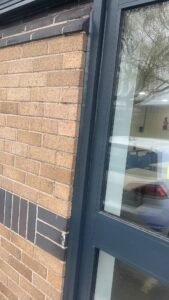
Dark streaks or dirty-looking marks beneath the gutter may indicate that water has been repeatedly overflowing or running down the wall.
Plants Growing in the Gutter
If you can see grass, moss or other vegetation growing from the gutter, there is likely enough organic material and moisture present for a substantial build-up to have developed.
Sagging or Misaligned Gutters
A heavy accumulation of wet debris can add weight to the gutter. Over time, this may contribute to sections appearing uneven or sagging.
Water Collecting Around the Property
If downpipes are not carrying water away effectively, you may notice excessive water collecting around certain areas of the property during rainfall.
These signs should not be ignored simply because the gutter appears to be working most of the time.
Why Are Blocked Gutters Particularly Common in UK Homes?
The UK’s climate creates conditions in which gutter maintenance can become particularly important. Rainfall occurs throughout the year, while autumn brings falling leaves and winter can add periods of persistent wet weather. Homes surrounded by mature trees can experience even greater levels of debris entering the guttering. Older properties may also have guttering systems that have accumulated years of dirt or may contain sections that are no longer aligned correctly. Because gutters sit above eye level, homeowners can easily forget about them until a problem becomes visible. A gutter may look fine from the ground while several metres of debris are sitting inside it.
Can Blocked Gutters Cause Damage Beyond the Guttering?
Yes, and this is why prevention matters. Overflowing water can affect more than the gutter itself. Depending on where the water travels, it can contribute to dirty exterior walls, staining around windows and moisture accumulation in areas close to the building. If guttering becomes severely blocked, the additional weight of wet debris can also place unnecessary strain on the system. Downpipes are another important consideration. A clear gutter does not guarantee proper drainage if the downpipe itself is obstructed. This is why I recommend considering the whole guttering system rather than looking only at the visible section along the roofline.
Are Blocked Gutters Always Responsible for Damp?
No. This is an important distinction. Damp can have many possible causes, including plumbing leaks, roof problems, condensation, poor ventilation, defective pointing and issues with the building itself. A blocked gutter may contribute to moisture problems, but it should not automatically be blamed for every damp patch inside or outside a property. If you have persistent dampness, it is important to identify the actual source rather than assuming that cleaning the gutters will solve everything. However, because gutter blockages are relatively easy to prevent and can contribute to water-related problems, keeping the system clear is a sensible part of regular property maintenance.
How Often Should UK Homeowners Check Their Gutters?
There is no universal schedule that works for every property. A home surrounded by trees may need more frequent attention than a property in an open area with very little vegetation nearby. The condition of the roof, the type of guttering and the amount of debris around the property can also make a difference. Autumn is particularly important because falling leaves can quickly accumulate. It is also sensible to check guttering before periods when you expect significant rainfall. The important thing is not to wait until overflowing water becomes your first indication that there is a problem.
Why Professional Gutter Cleaning Can Be Worth Considering
Gutter cleaning is often treated as a simple household job, but working at height introduces safety considerations. Some properties have high rooflines, awkward access or sections of guttering that are difficult to inspect safely from the ground. Trying to reach these areas without suitable equipment can create unnecessary risks. Professional gutter cleaning can be useful when gutters have significant debris, have not been maintained for a long period or are difficult for the homeowner to access safely. It also provides an opportunity to identify obvious issues such as heavy build-up, damaged sections or visible drainage problems.
What Can Homeowners Do to Reduce the Risk of Blocked Gutters?
Regular maintenance is the most straightforward approach. Keep an eye on trees near the property, watch for visible signs of overflowing water and check the condition of accessible guttering. If you notice plants growing from the gutters or water repeatedly spilling over during rainfall, it is worth arranging an inspection or cleaning. It is also important not to ignore small signs simply because there is no obvious damp inside the home. Prevention is generally much easier than dealing with water damage after it has developed.
Protect Your Home by Keeping Rainwater Moving
Your gutters may not be the most noticeable part of your home, but they play an important role whenever it rains. A blockage can turn a controlled drainage system into an overflowing source of water around the building. By keeping gutters clear and paying attention to early warning signs, you can reduce the risk of unnecessary water exposure and help maintain the exterior of your property. At BrightWhite UPVC Cleaning Services, I help homeowners keep their guttering cleaner and better maintained so that accumulated leaves, organic debris and general dirt do not have the opportunity to build up unnoticed.
Don’t Wait for the Next Heavy Downpour
If your gutters have not been cleaned for a while, or you have noticed overflowing water, staining or visible debris, it is worth dealing with the problem before it becomes more serious. Professional gutter cleaning can help keep rainwater flowing properly and reduce the risk of avoidable water damage. Contact BrightWhite UPVC Cleaning Services on 0161 284 0618 to discuss your requirements and request a quotation. Keep your gutters clear, working properly and ready for the next spell of UK rain.