Have you ever gone to wipe the inside of a window and pulled the cloth away with a smear across it? Not dust. Something oilier than that. A thin film that sticks to the glass and seems to spread around rather than lift off. If that sounds familiar, you are not alone. I see this in UK homes all the time, and most people have no idea where it comes from or why it keeps coming back. In this post I want to explain what that film actually is, where it comes from inside your home, and what you can do to keep it off your glass and frames for good.
What the Greasy Film Actually Is
That film is not one single thing. It is a mix of tiny oil droplets, moisture, and fine dust that all settle onto your glass together and bind into a thin layer. On its own, each part is harmless. Put them together and you get that sticky coating you can feel under your finger.
The reason it feels greasy rather than dusty comes down to the oil in it. Dust on its own brushes away dry. But once airborne oils land on the glass, they act like glue. Every bit of dust and moisture in the air after that gets held in place. Over weeks and months the layer builds up until you can see it clearly in the right light.
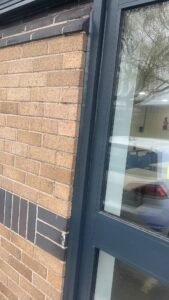
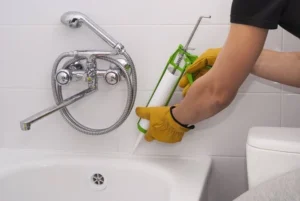
Glass shows it worse than almost any other surface in your home. That is because glass is often the coldest surface in a room. Warm air indoors carries moisture and floating particles, and when that warm air meets cold glass, everything drops out and settles right there. Your windows end up collecting far more of this film than your walls or furniture ever will. A Mastic Sealant Service in Manchester can also help when worn or damaged sealant around the glass allows moisture and grime to build up in these areas.
Where the Film Comes From in a Typical UK Home
Once you know what to look for, the sources are easy to spot. Most of them are just part of everyday life at home.
Cooking and frying
Cooking is the biggest one. Every time you fry, roast, or boil something, tiny oil droplets rise into the air along with the steam. This happens even with the kitchen door shut. Those droplets drift through the house and settle on the nearest cool surface, which is very often a window. Homes where people cook a lot tend to get the heaviest film, and it is usually worst on the windows closest to the kitchen.
Condensation and cold glass
The UK climate plays a big part too. We keep our homes shut up and warm for a large chunk of the year, and that traps moist air inside. When that damp air hits cold glass, it turns to condensation. As the water gathers, it pulls floating particles down with it and presses them against the pane. Once the water dries off, the grime stays behind. This is a big reason the film often looks worse over winter.
Smoke and candles
Anything that burns indoors adds to it. Cigarettes and vaping leave a sticky residue that clings to glass fast. Wood burners, open fires, and even the tealights and scented candles a lot of us enjoy all give off fine particles and soot. None of it just disappears. It floats around the room and lands on your windows.
Frames and furnishings
This one surprises people. UPVC frames, vinyl flooring, and brand new furniture can all release small amounts of vapour as they age or when they are fresh out of the packaging. Those vapours mix with the oils and dust already in the air and add to the film on your glass and around your frames.
Heating, dust, and poor airflow
Central heating and radiators keep warm air moving around the house, and that moving air carries everything with it. If a room has poor airflow and rarely gets fresh air, all these particles simply circulate and settle over and over again. Stale, still air is the perfect setting for the film to build.
Why the Film Keeps Coming Back After You Clean It
Plenty of people tell me they clean their windows and the smear is back within days. There are a few reasons for that.
The first is the cloth or the spray. A dry paper towel or the wrong cleaner will often just move the oil around instead of lifting it. You end up smearing the film thinner across the whole pane rather than removing it.
The second is residue. Many standard sprays leave a faint layer behind once they dry. That layer is slightly tacky, so it grabs fresh dust and oil even faster than clean glass would. In other words, the wrong product can actually bring the problem back quicker.
The third is airflow. If the real source is still there, whether that is daily cooking, smoke, or poor ventilation, the film starts rebuilding the moment you finish wiping. Cleaning the glass does nothing about the air that keeps coating it.
How to Deal With It Properly
The good news is you can get on top of this with a mix of better habits and proper cleaning.
Start with the air in your home. Open a window when you cook and let fresh air move through the rooms. Use your extractor fan every time you use the hob. Try to cut down on how much you burn indoors, whether that is candles or anything else. Small changes here make a real difference to how fast the film returns.
When it comes to cleaning, the method matters. Use a proper glass cleaner, or a little warm water with a small amount of washing up liquid, and a clean microfibre cloth. Wipe the film off, then go back over the glass with a second dry cloth to buff it clear. That second pass is what stops the smear.
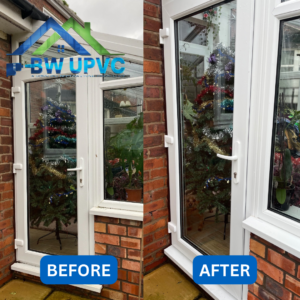
One thing most people forget is the frames. That greasy film does not only sit on the glass. It works its way into the grooves and seals of your UPVC frames, where it is much harder to shift and where it holds onto dirt and can even help mould take hold. A quick wipe of the glass leaves all of that behind. If your frames have gone dull, sticky, or grey around the edges, the glass is only half the job. Cleaning the frames and seals properly is what really brings a window back to life.
Ready to See Your Windows Clear Again?
That last part about the frames is where a lot of people get stuck. You can keep the glass clear yourself with the right habits, but built up grime in UPVC frames, seals, and conservatory panels usually needs the right equipment and a gentle soft wash to lift it without causing any damage. That is the part I handle every day, and it is amazing what a proper clean can do for a tired looking window.
So if your frames have that dull, greasy look you just cannot shift no matter how often you wipe them, let me take it off your hands. I will come and have a look, give you a straight answer, and leave your windows and frames looking bright and clear again. Reach out to BrightWhite UPVC Cleaning Services today for a free quote with no obligation. Call me on 0161 284 0618, email info@upvcandroofcleaning.co.uk, or find me at 544 Oldham Road, Middleton, Manchester, M24 2EB. One quick call is all it takes to get your windows looking their best.