If your patio becomes slippery whenever it rains, you are not alone. I regularly see outdoor surfaces that look perfectly manageable when dry but become noticeably slick as soon as they are exposed to water. The problem is rarely the rain itself. Rain reveals what has already accumulated on the surface. Algae, moss, dirt, organic debris and other deposits can create a layer that reduces the natural grip of paving. Once this build-up becomes established, simply waiting for the patio to dry does not solve the underlying problem.
A thorough pressure wash can remove much of this surface contamination and help restore a cleaner, more usable patio. However, I would not describe any cleaning method as a permanent solution in the literal sense. Outdoor surfaces remain exposed to rain, moisture, shade and falling debris, so organic growth can eventually return.
Why Does a Patio Become Slippery After Rain?
The most common reason is the presence of organic growth and accumulated grime. A patio that has been exposed to the UK weather for months or years can collect small amounts of dirt, leaves, moss and algae. When these materials become wet, they can create a slippery surface underfoot. Dry conditions can sometimes hide the problem. A paving surface may appear reasonably clean until rain makes the accumulated growth darker, wetter and more noticeable. The more contamination there is, the greater the potential for the surface to feel slippery.
How Do Moss and Algae Affect Patio Surfaces?
Moss and algae are particularly common on outdoor surfaces that remain damp for long periods.
Shaded Areas Can Be More Vulnerable
Patios underneath trees, close to walls or in areas that receive limited sunlight may stay damp for longer after rainfall. This can create conditions in which moss and algae are more likely to develop.
Organic Material Adds to the Problem
Fallen leaves, small twigs and other garden debris can remain on the paving. As this material breaks down, it can contribute to a damp, dirty surface. If the debris is not regularly removed, the patio can gradually become darker and more heavily contaminated.
Water Makes Existing Build-Up More Noticeable
Rain does not necessarily create a slippery layer. Instead, it can make an existing layer of algae, moss and grime much more apparent. This is why you may notice the problem immediately after rainfall even though the contamination has been developing for much longer.
Is a Slippery Patio Just an Appearance Problem?
No. It can also become a practical concern. A patio is often used for walking, sitting, entertaining guests, moving garden furniture and accessing other parts of the property. If the surface becomes slippery when wet, normal activities may become less comfortable. This is particularly worth considering around steps, entrances and frequently used paths. I always recommend paying attention to changes in the surface rather than waiting until the patio becomes heavily covered in moss or algae. Early maintenance can make it easier to keep an outdoor area looking and feeling cleaner.
What Does Pressure Washing Actually Remove?
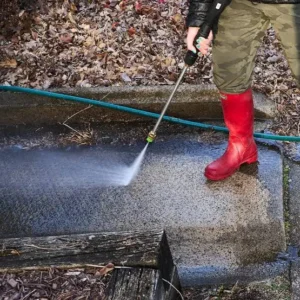
Professional pressure washing uses controlled water pressure to help remove accumulated surface contamination. Depending on the condition and material of the patio, this can help remove:
- Surface dirt
- General grime
- Algae
- Moss
- Organic residue
- Weather-related staining
- Loose debris
The exact results depend on the paving material and the condition of the surface. Not every stain is simply sitting on top of the paving. Some marks may have penetrated the material or developed over a long period. In those cases, cleaning may improve the appearance without making every mark disappear completely. This is one reason I believe it is important to assess the surface rather than promise identical results for every patio.
Why Can Professional Pressure Washing Make Such a Visible Difference?
A patio can gradually become dirty without the homeowner noticing how much its appearance has changed. You see the surface regularly, so small changes can become normal. Once accumulated grime and organic growth are removed, the difference can be surprisingly noticeable. The original colour and pattern of the paving may become easier to see. Edges can look cleaner, darker areas may be reduced and the entire outdoor space can appear better maintained. There is also a practical benefit. Removing the layer of contamination responsible for the slippery feel can make the surface more comfortable to use.
Can Pressure Washing Make a Patio Completely Slip-Free?
I would not make that promise. Pressure washing can remove much of the organic growth and grime contributing to a slippery surface, but no outdoor patio can realistically be guaranteed to remain permanently free from moss, algae or other contamination. Rain will continue to fall. Leaves will continue to land. Shaded areas can remain damp, and outdoor surfaces will continue to weather. What professional cleaning can do is remove the existing build-up and give you a much cleaner starting point. Keeping the patio maintained afterwards can help slow the return of contamination.
Is Every Patio Suitable for the Same Pressure Washing Method?
No. Different patio materials have different characteristics, and the cleaning approach should take the surface into account. Natural stone, concrete paving, block paving and other outdoor materials can respond differently to water pressure and cleaning techniques. Using excessive pressure without considering the surface may cause unnecessary damage. For example, an unsuitable approach could affect joints, loosen material or alter the appearance of certain paving. This is why professional pressure washing is not simply about using the highest possible pressure. The condition and type of surface matter just as much.
What Makes Some UK Patios More Likely to Become Slippery?
Several factors can contribute.
Shade
A patio that receives little sunlight may stay damp for longer.
Nearby Trees
Trees can provide shade while also dropping leaves, twigs and other organic material onto the paving.
Poor Drainage
If rainwater does not drain away efficiently, areas of the patio may remain wet for extended periods.
Lack of Regular Maintenance
When dirt and organic growth are left for a long time, they have more opportunity to build up.
UK Weather
Regular rain and damp conditions provide plenty of opportunities for outdoor surfaces to become contaminated. Understanding these factors can help homeowners decide when their patio needs attention.
When Should You Consider Professional Patio Cleaning?
I recommend looking at the condition of the surface rather than waiting for a specific date. If your patio becomes slippery after rain, has visible green or dark growth, looks heavily stained or has not been cleaned for a long time, professional pressure washing may be worth considering. It can also be useful before the warmer months when patios are likely to be used more frequently for outdoor seating, entertaining and family activities. If you are planning to sell your property, a cleaner patio can also contribute to a more cared-for appearance when potential buyers view the garden and exterior spaces.
How Can You Help Keep Your Patio Cleaner After Pressure Washing?
Professional cleaning is not the end of patio maintenance. Regularly removing leaves and garden debris can help reduce the material available for organic build-up. Keeping drainage areas clear can also help prevent water from remaining on the paving unnecessarily. Where possible, pay attention to areas that remain shaded or damp. These sections may require more frequent attention than parts of the patio exposed to direct sunlight. The goal is not to prevent every trace of outdoor contamination forever. It is to avoid allowing small amounts of dirt and organic growth to develop into heavy build-up.
Choosing a Professional Pressure Washing Service
When choosing a pressure washing company, I recommend looking at more than the advertised price. Ask whether the company has experience cleaning the type of paving you have and whether it considers the condition of the surface before starting work. A professional approach should also involve sensible pressure control rather than assuming that maximum pressure is always the best option. Clear communication is important too. You should understand what the cleaning is expected to achieve and whether there are any existing stains or surface conditions that may remain after cleaning.
At BrightWhite UPVC Cleaning Services, I provide professional exterior cleaning designed to help homeowners keep their outdoor surfaces looking cleaner and better maintained.
Give Your Patio a Cleaner, Safer Start
A patio that becomes slippery after rain is often showing the effects of accumulated algae, moss, dirt and organic debris. While pressure washing cannot prevent outdoor contamination from ever returning, removing the existing build-up can make a significant difference to the appearance and usability of the surface. If your patio has become difficult to enjoy because it looks dirty or feels slippery when wet, it may be time to stop putting the problem off.
Ready to Get Your Patio Back Into Shape?
If you are tired of seeing green growth, dark staining or a slippery surface on your patio, professional pressure washing can help restore its clean and fresh appearance. Rather than allowing dirt and organic build-up to become heavier, arrange a professional clean suited to your patio surface and its condition. Contact BrightWhite UPVC Cleaning Services on 0161 284 0618 to discuss your requirements and request a quotation. Get in touch today and enjoy a cleaner, more inviting patio ready for the next spell of UK rain.