Glass is one of those surfaces that can look simple to clean but can be surprisingly difficult to leave looking completely clear. You may wipe a window, conservatory panel or internal glass surface and initially think it looks clean, only to notice cloudy patches, smears or visible marks when daylight reaches the surface.
This is a common problem in UK homes, particularly where windows and other glass surfaces are exposed to rain, condensation, dust, fingerprints and everyday household pollutants. The problem is not always the amount of dirt on the glass. In many cases, the way the surface is cleaned can determine whether it finishes clear or covered in fine marks.
I regularly see how small cleaning habits can affect the appearance of glass. Using too much product, working with a dirty cloth, cleaning in unsuitable conditions or failing to remove residue properly can all contribute to smearing. Understanding why this happens makes it much easier to prevent.
Why Does Glass Smear After Cleaning?
Smearing usually occurs when something remains on the glass after cleaning. This could be cleaning product residue, grease, fine dust, minerals from water or material transferred from a cloth. When the surface is wet, these marks can be difficult to see. Once the glass dries, however, they become much more obvious.
Lighting also plays an important role. A window can appear perfectly clean when viewed from one direction and show numerous streaks when sunlight shines across it. This is why simply making the glass look better while it is wet does not always mean the cleaning has been completed properly.
Too Much Cleaning Product Can Make Glass Look Worse
One of the most common mistakes is assuming that more cleaning solutions will produce a cleaner result. It is understandable. When a window is particularly dirty, adding more product seems like the logical solution. However, excessive cleaning solution can leave a film behind if it is not removed completely.
Once this film dries, the glass can appear hazy or smeared. The objective should be to loosen and remove contamination rather than cover the surface with unnecessary amounts of cleaning product.
Dirty Cloths Can Transfer Residue Back Onto the Glass
The condition of the cloth is just as important as the cleaning solution. A cloth that has already collected dust, grease, fibres or old cleaning residue can transfer some of that material onto another section of glass.
This can create a frustrating cycle where you continue wiping the same surface without actually improving its clarity. I always consider the cleaning material part of the result. Even a good-quality glass cleaner cannot compensate for a cloth that is spreading contamination rather than removing it.
Hard Water Can Leave Marks on Glass
Water itself can sometimes be part of the problem. When water containing dissolved minerals dries on glass, it can leave spots or deposits behind. Over time, repeated exposure can make these marks increasingly noticeable.
This is particularly relevant around windows and conservatories where rainwater, condensation and general moisture are common. Not every cloudy mark is therefore caused by poor cleaning. Some deposits may require more attention than an ordinary wipe because they have accumulated on the surface over time.
Why UK Weather Can Make Glass Cleaning More Difficult
The UK’s changing weather conditions create several challenges for household glass, making regular interior and exterior window cleaning important for maintaining a clear finish. Rain can leave droplets and deposits on external windows, while damp weather can increase moisture around the home. During colder periods, condensation can also develop on internal glass, making both sides of the windows more difficult to keep looking spotless.
During brighter periods, sunlight exposes every small mark that was previously difficult to notice. This means homeowners can clean their glass regularly and still feel frustrated when it quickly appears dirty again. The issue is often not simply cleaning frequency. It is the combination of environmental exposure and the type of contamination reaching the surface.
Condensation Can Contribute to Smearing
Condensation is particularly common on glass in bathrooms, kitchens and other areas where moisture levels are higher. When moisture repeatedly settles on a surface, it can interact with dust, airborne particles and other residues. Once the moisture evaporates, marks can remain behind.
Conservatory glass can experience similar issues because of the large amount of glazing and the temperature differences between the inside and outside of the structure. If the glass is already damp when you start cleaning, achieving an even finish can also become more difficult.
Why Windows Can Look Smear-Free Until the Sun Comes Out
Natural light is excellent at revealing imperfections. A window facing a bright garden or road may suddenly show every fine streak once sunlight reaches it. The same surface might have looked clean earlier in the day under softer lighting. This is one reason I never think of glass cleaning as simply removing visible dirt. The final appearance matters too. A clean window should not just have fewer obvious marks. It should have a clearer appearance when viewed under the different lighting conditions normally experienced inside and outside the home.
What Professional Cleaners Do Differently
Professional methods are not necessarily about using complicated chemicals or cleaning products that homeowners cannot buy. The biggest difference often comes from control and consistency. Professional cleaners pay attention to the condition of the glass, the type of contamination, the amount of moisture being used and what is left on the surface afterwards.
They Use the Right Amount of Solution
The aim is to use enough cleaning solution to deal with the contamination without unnecessarily saturating the glass. Too little may not loosen the dirt effectively, while too much can create additional residue. Finding the right balance helps make the surface easier to clean and finish.
They Keep Cleaning Materials Clean
Professional results depend heavily on clean equipment. A cloth or cleaning tool that has picked up grease and dirt can compromise an otherwise good job. Clean materials reduce the chance of transferring contamination from one area to another. This becomes particularly important when working across larger areas of glazing.
They Look Beyond the Centre of the Glass
Glass does not exist in isolation. Window frames, UPVC surrounds, seals and edges can collect dust and grime. If these areas remain dirty, the whole window can still look untidy even when the central glass has been cleaned.
This is especially noticeable with white UPVC frames because darker dirt and environmental deposits can stand out against the surface. For homeowners, this is one reason a window can still look tired despite regular glass cleaning.
Why UPVC Frames Matter to the Overall Appearance
When people think about cleaning windows, they often concentrate entirely on the glass. However, the surrounding UPVC can have a major effect on how clean the entire installation looks.
Dust, traffic pollution, organic debris and general outdoor grime can build up around frames and other UPVC surfaces. These deposits may not create glass smears themselves, but they can make a recently cleaned window appear less impressive. Keeping both glass and surrounding UPVC surfaces maintained creates a much more consistent appearance. This is particularly useful for homes with larger windows, patio doors and conservatories where there is a substantial amount of visible framing.
Conservatory Glass Can Be Especially Challenging
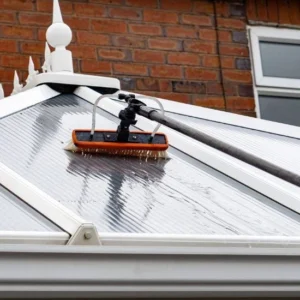
A conservatory contains a large amount of glass, which means even minor smearing can become highly noticeable. Roof panels can collect environmental contamination from above, while vertical glazing is exposed to rain, dust and everyday outdoor dirt. Inside the conservatory, condensation and household activity can introduce another layer of contamination.
Because there are so many glass panels, cleaning only the most obvious areas can leave the overall space looking inconsistent. Regular attention can help prevent heavy build-up and make it easier to maintain a brighter-looking conservatory.
Does Cleaning More Frequently Prevent Smearing?
Frequent cleaning can help control dirt, but if the same cleaning mistakes are repeated each time, smearing can continue. For example, repeatedly applying too much product or using a cloth that leaves residue will not solve the underlying problem simply because the glass is being cleaned more often.
The quality of the cleaning method matters just as much as the frequency. For busy household areas, regular maintenance is useful, but it should be combined with suitable cleaning materials and techniques.
When Should You Consider Professional Glass Cleaning?
For a small internal glass surface with light marks, homeowners can often manage routine cleaning themselves. Professional help becomes more useful when there are numerous windows, large areas of glazing, conservatory glass, difficult-to-reach surfaces or persistent marks that do not disappear with normal cleaning.
It can also be worthwhile when your windows are regularly cleaned but still look cloudy or smeared afterwards. Sometimes the problem is not that the glass has not been cleaned enough. It is that a particular type of residue has not been dealt with effectively.
How to Keep Glass Clearer Between Cleans
There are several simple habits that can help reduce the appearance of smears. Avoid using excessive cleaning products and try not to clean glass when it is already covered in heavy condensation. Keep cleaning clothes clean and replace them when they begin leaving fibres or residue behind.
It is also useful to deal with fingerprints, splashes and obvious marks before they remain on the glass for long periods. If you regularly notice mineral spots or a cloudy film, increasing the amount of ordinary glass cleaner may not be the answer. Identifying what is actually causing the mark is a better starting point.
A Clear Window Is About More Than Just Clean Glass
Smearing can be caused by several different factors, from cleaning-product residue and dirty cloths to condensation, mineral deposits and environmental contamination. UK weather can make the problem more noticeable, while strong daylight often reveals marks that were invisible under softer indoor lighting.
Professional cleaning methods focus on controlling these factors rather than simply wiping the surface repeatedly. The same principle applies to the wider window area. Clean glass can look less impressive when surrounding UPVC frames are covered in dirt, while a clean frame cannot compensate for heavily smeared glazing. For this reason, maintaining both glass and the surrounding UPVC can make a much greater difference to the overall appearance of your home.
Give Your Windows and UPVC Surfaces a Cleaner Finish
If your windows, conservatory glass or UPVC surfaces repeatedly look dull or marked shortly after cleaning, the problem may be related to residue and accumulated contamination rather than simply needing another quick wipe. At BrightWhite UPVC Cleaning Services, I help homeowners keep their glass and UPVC surfaces looking cleaner and better maintained, with attention to the everyday dirt and build-up that can easily be overlooked.
If you want to improve the appearance of your windows, UPVC or conservatory and are tired of seeing smears after cleaning, get in touch to discuss your requirements. 544 Oldham Rd, Middleton, Manchester M24 2EB, United Kingdom | 0161 284 0618 | info@upvcandroofcleaning.co.uk A clearer-looking window can make a noticeable difference to the appearance of a room, so if persistent smearing is becoming a problem, professional cleaning may be the practical next step.